Guild Wars 2 (GW2) has long stood as a pillar of the MMORPG genre, distinguished by its vibrant world, player-friendly monetization, and a narrative that spans over fourteen years of real-time development. Since its inception, ArenaNet has championed a "play your way" philosophy, eschewing the traditional gear treadmills and subscription fees that define many of its competitors. As we navigate through 2026, the game has undergone a profound transformation—moving from massive, multi-year expansion cycles to a more agile, annual release model that keeps the news cycle buzzing with constant updates. Tyria is no longer just a map; it is a living history, and for both returning veterans and new "Steam-era" players, the news surrounding the game reflects a masterpiece that refuses to age. This comprehensive news chronicle traces the pivotal moments of Guild Wars 2, from its disruptive 2012 launch to the cutting-edge content defining the landscape today.
1. 2012: The Shattering of MMO Conventions
The news surrounding the launch of Guild Wars 2 in August 2012 was nothing short of revolutionary. For years, the MMO market had been dominated by "World of Warcraft" clones that relied on quest hubs and static NPC interactions. ArenaNet’s debut news cycle focused on "Dynamic Events"—a system where the world responded to player actions in real-time. If players failed to defend a bridge from centaurs, the bridge stayed broken, and a new quest to reclaim the territory began. This "Living World" concept was the headline of every major gaming publication, promising an end to the tedious grind and the beginning of a truly cooperative multiplayer experience.
Journalists at the time were also fascinated by the "no subscription fee" business model. In an era where $15 a month was the industry standard, the news that a high-fidelity AAA MMO could survive on a "buy-to-play" model was met with skepticism. However, the initial sales figures silenced critics, as GW2 moved over two million copies within its first two weeks. The news of the game’s success signaled a shift in player expectations, favoring horizontal progression and a "respect for the player's time" that remains a core part of the GW2 brand news in 2026.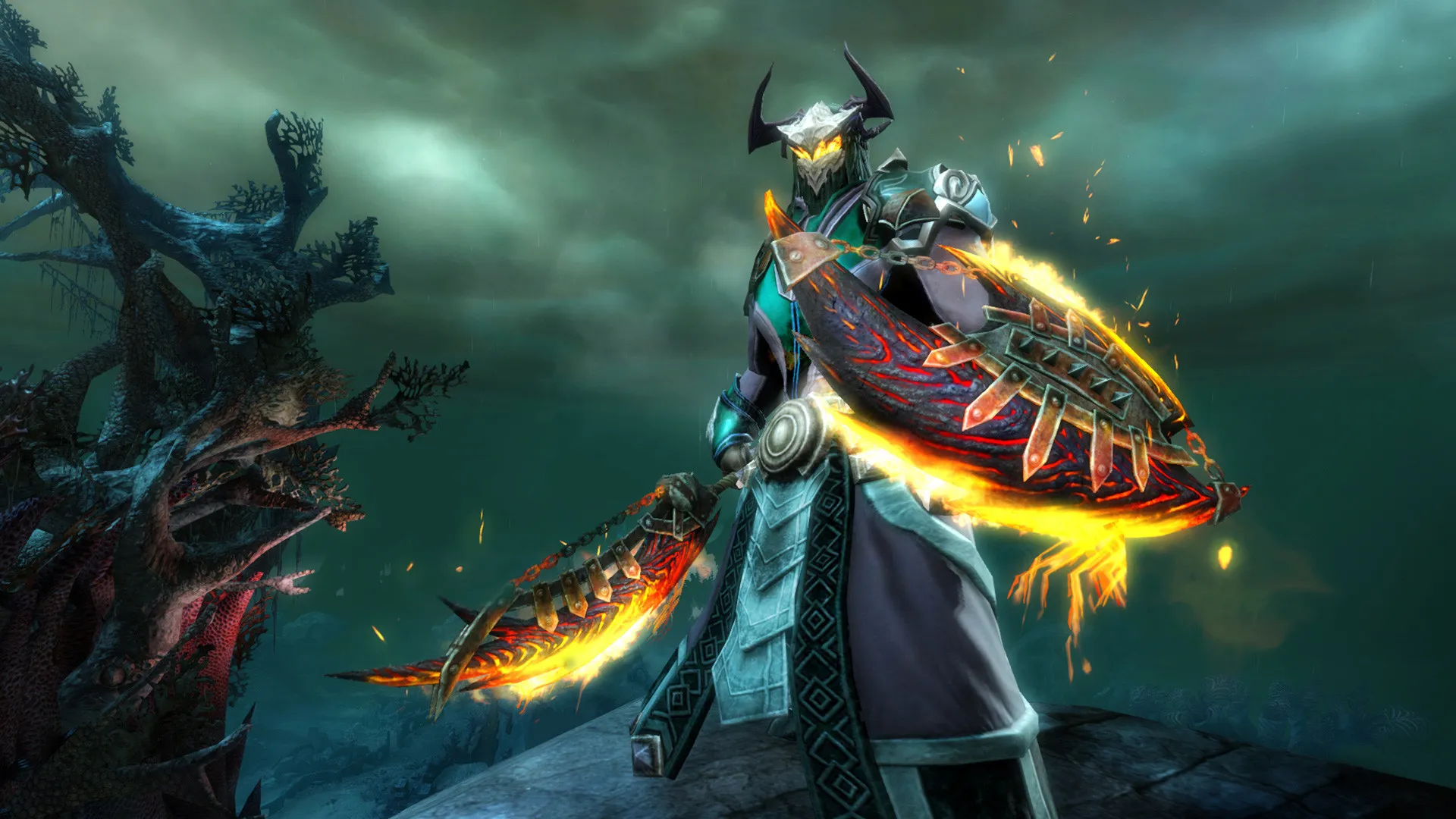
2. 2015: Heart of Thorns and the Mastery of Movement
After years of "Living World Season 1 and 2" content, the first major expansion news broke with the announcement of Heart of Thorns. This expansion brought players to the dense, vertical jungles of Maguuma. The news cycle was dominated by the introduction of the "Mastery System," a way for players to progress their characters horizontally after hitting the level 80 cap. Instead of gaining more power, players gained new abilities, most notably "Gliding," which fundamentally changed how the community interacted with the environment.
The news of Heart of Thorns was also significant for the "Specialization" system. Each of the nine professions received an Elite Specialization, such as the Chronomancer for Mesmers or the Reaper for Necromancers, adding layers of tactical depth to the combat. Despite some initial news reports regarding the steep difficulty curve of the new maps, the expansion is remembered for establishing the blueprint for all future GW2 content: challenging meta-events that require dozens of players to coordinate to succeed.
Key Features of the 2015 Era
- Gliding: The first major traversal mastery.
- Guild Halls: Dedicated, customizable instances for player communities.
- Raids: The introduction of 10-player hardcore PvE content.
- The Revenant: A brand-new heavy armor profession.
3. 2017: Path of Fire and the Mount Revolution
In 2017, the news shifted toward the Crystal Desert and the return of a fallen god: Balthazar. Path of Fire was the second expansion, and its most impactful news beat was the reimagining of mounts. While other MMOs treated mounts as simple speed boosts, GW2 news outlets praised ArenaNet for making mounts "living tools." Each mount had a specific traversal skill—the Raptor for long horizontal leaps, the Springer for vertical climbs, and the Skimmer for hovering over water and quicksand.
The news of these mounts sent ripples through the entire genre. Players were no longer just moving from point A to point B; they were engaging in a "movement puzzle." The expansion also delivered a deeply personal narrative, involving the player character—the Commander—confronting their own mortality and the consequences of the Elder Dragon cycle. Critically, Path of Fire was hailed for its vast, beautiful desert vistas and its ability to deliver a massive amount of content without increasing the level cap or invalidating previous gear.
4. 2019-2021: The Icebrood Saga and Structural Turbulence
The period between 2019 and 2021 was a time of experimentation and, at times, difficult news for the studio. Instead of a traditional expansion, ArenaNet announced "The Icebrood Saga," an ambitious season of Living World content that was intended to match expansion-level quality. News reports at the time were split; while the maps were stunning and the narrative regarding Jormag and Primordus was epic, fans were concerned about the lack of new Elite Specializations and Masteries.
H3: The Shift in Cadence
The news cycle took a sharp turn in 2020 when the COVID-19 pandemic forced the studio to work remotely. This led to delays and a shift in the saga's conclusion, titled "Champions." The news during this period focused on "Dragon Response Missions," which received mixed reviews. However, the news ended on a high note when ArenaNet officially confirmed that a third expansion was in development, signaling a return to the traditional format that fans craved.
H4: Community Resilience
- Voluntary Events: Players organized massive community-run tournaments to fill the content gaps.
- Transparency: ArenaNet began a series of "Studio Updates" to keep fans informed of their long-term vision.
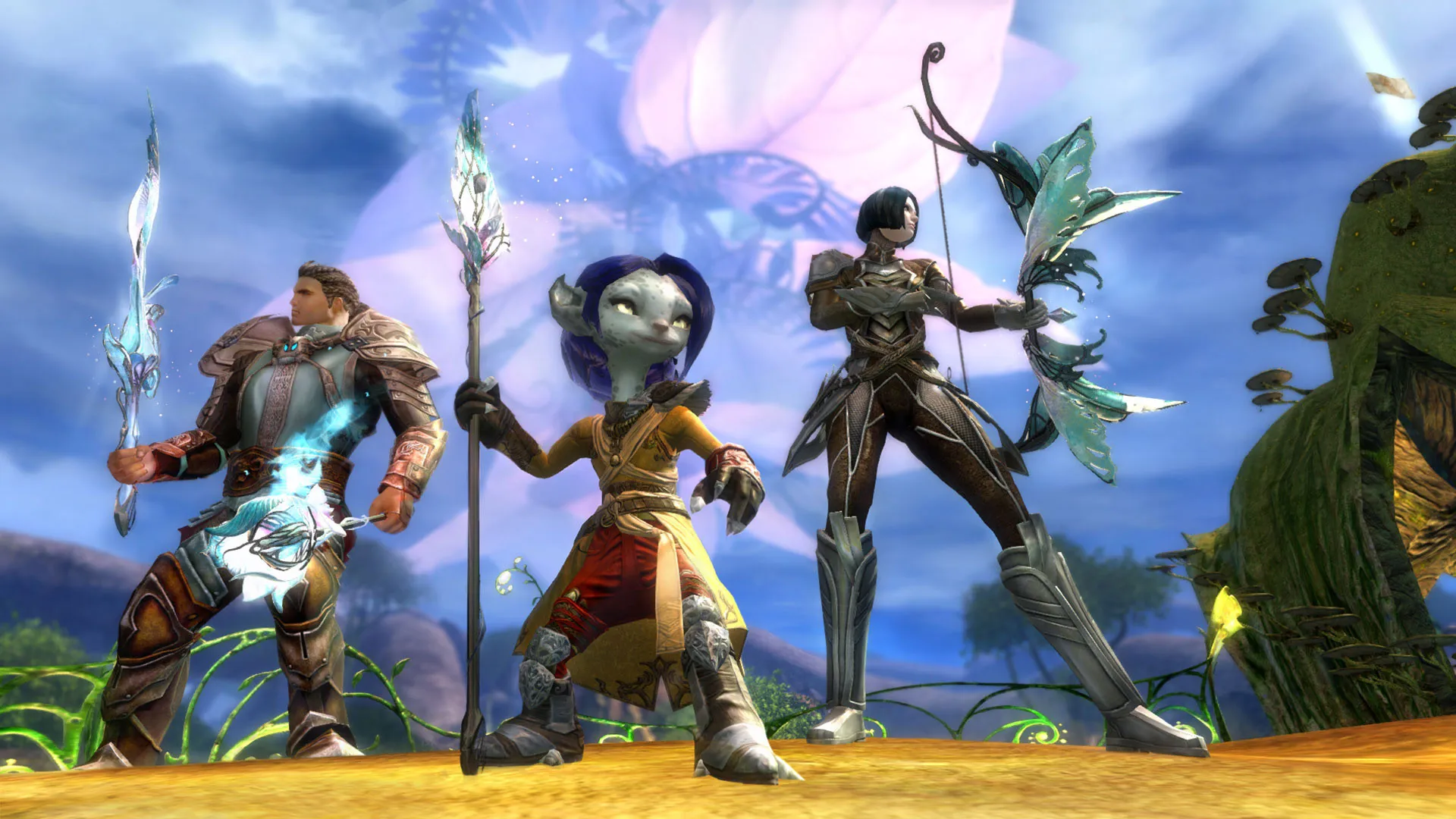
5. 2022: End of Dragons and the Prophecy of Cantha
March 2022 brought the news the community had been waiting for: a return to the beloved land of Cantha. End of Dragons was more than just an expansion; it was the conclusion of the ten-year "Elder Dragon Saga." The news was dominated by the introduction of "Jade Tech," a new mastery line that allowed players to summon Jade Bots for utility boosts, and the "Skiff" and "Fishing" systems, which added a relaxing, social layer to the game.
The news regarding the expansion's finale was particularly impactful. The story of Soo-Won, the Mother of Dragons, provided a bittersweet and emotionally resonant conclusion to a story that began in 2012. Furthermore, the news of the "Siege Turtle" mount—the game's first two-player mount—became a viral hit on social media, showcasing the cooperative nature that GW2 has always championed. With Cantha open, the game felt more complete than ever before.
6. 2023: Steam Integration and Technical Modernization
A major milestone in GW2 news arrived in late 2022 and early 2023 with the game’s official launch on Steam. This was a massive undertaking that required years of technical preparation, including a full migration from DirectX 9 to DirectX 11. The news cycle focused on the "New Player Experience," with ArenaNet revamping the early-game leveling process and rewards to ensure that the influx of Steam players felt welcomed into the aging, yet vibrant, Tyria.
The Steam launch brought a significant surge in the player base, leading to news of "megaserver" upgrades to handle the load. Technical news outlets also praised the game's performance improvements, noting that the DX11 update finally allowed the game to utilize modern hardware effectively. This period solidified GW2’s status as a "modern" MMO that could compete with newer titles in terms of visual fidelity and stability.
7. 2023-2024: Secrets of the Obscure and the Annual Cycle Shift
Following End of Dragons, ArenaNet announced a fundamental shift in how they would deliver news and content. Instead of waiting three to four years for a massive expansion, they moved to a model of smaller, annual expansions. The first of these was Secrets of the Obscure, which took players into the literal clouds of Skywatch Archipelago. The news centered on the "Wizard’s Vault," a revamped daily achievement system that offered players a rotating selection of high-value rewards, including legendary crafting materials.
The news of Secrets of the Obscure also focused on "Combat Flexibility." Instead of new Elite Specializations, the expansion allowed players to use weapons previously locked to specific specializations (e.g., a Ranger using a staff without being a Druid). This was a major news story for build-crafters, as it opened up thousands of new viable playstyles. The expansion’s focus on the Astral Ward and ancient celestial threats proved that even after the Elder Dragons, Tyria still had many stories to tell.
8. 2024-2025: Janthir Wilds and the Long-Awaited Homesteads
As the annual expansion model matured, the news for late 2024 was dominated by Janthir Wilds. For over a decade, players had begged for a "Player Housing" system, and the news that "Homesteads" were finally arriving was the biggest story of the year. Unlike the static housing in other games, GW2’s Homesteads featured a deep decoration system that allowed players to utilize the "Jade Bot" technology to place, rotate, and scale thousands of objects freely.
News Highlights from Janthir Wilds
- The Spear: For the first time, the Spear was introduced as a terrestrial weapon for all professions.
- Warclaw Overhaul: The WvW-exclusive mount was brought into PvE with new combat abilities.
- The Titans: A return to classic Guild Wars 1 lore, bringing back the terrifying Titan enemies.
This era of news was characterized by a sense of "giving back to the community." By addressing long-standing requests like housing and land-spears, ArenaNet saw a massive uptick in player retention and veteran "re-engagement."
9. 2026 News: The Uncharted Depths and the Future of Tyria
As of March 2026, the news headlines are dominated by the latest annual expansion, currently titled "The Uncharted Depths." This expansion has taken players beneath the surface of the Unending Ocean to explore vast, bioluminescent underwater caverns. The news focus is on the "Underwater Combat 2.0" update, which has finally brought the much-maligned aquatic combat up to the speed and complexity of land-based fighting. New "Sub-Dredge" Masteries allow players to pilot small submersibles to navigate high-pressure trenches.
Recent news reports also highlight the "Living World 2.0" initiative, where mini-story beats are dropped every six weeks between expansion cycles. This has kept the community constantly engaged, with news of the "Great Tyrian Fair" and various competitive "WvW Restructuring" updates filling the gaps. The game's economy is reported to be at its healthiest state in years, thanks to the continued relevance of legendary crafting and the "Wizard's Vault" seasonal rotations.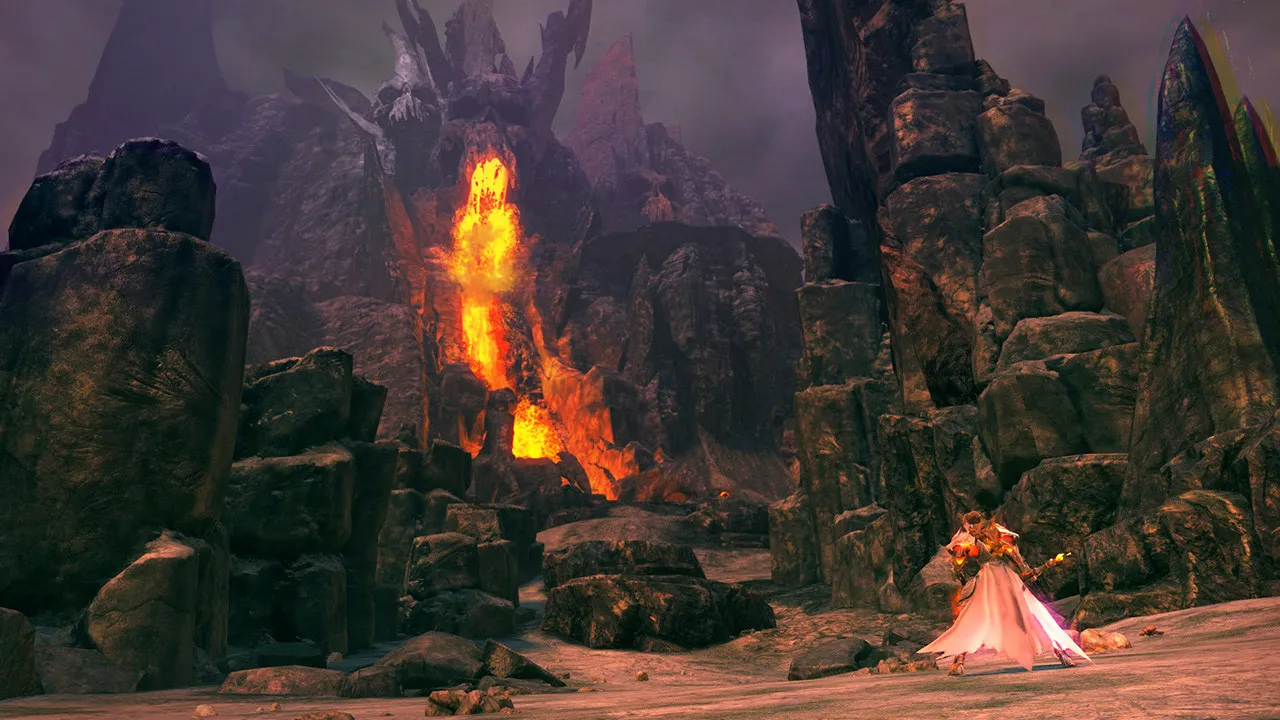
10. The Cultural Legacy: Guild Wars 2 as a Community Benchmark
In 2026, the news regarding Guild Wars 2 is less about "survival" and more about "leadership." It is frequently cited as the gold standard for fair monetization and inclusive design. The news often covers the game’s "Friendship" campaigns and its charitable work, having raised millions for Extra Life over the years. The community news is filled with stories of weddings held in Lion's Arch and cross-continental friendships forged in the heat of a World vs. World skirmish.
H3: The Technical Future
Technical news outlets are currently speculating about a potential "Engine 3.0" update, as ArenaNet continues to push the boundaries of what their bespoke engine can do. Rumors of Ray-Tracing support and further AI-integrated NPC interactions are common in news forums, though nothing has been officially confirmed as of this writing.
H4: Sustainability and Longevity
- Environmental Detail: Tyria remains one of the most hand-crafted and detailed worlds in the genre.
- Player Agency: The lack of a subscription fee continues to draw in players who want a "forever home" without the monthly bill.
Conclusion
The news history of Guild Wars 2 is a saga of innovation, community devotion, and successful adaptation. From the groundbreaking dynamic events of 2012 to the highly anticipated homesteads and underwater explorations of 2026, ArenaNet has navigated the changing tides of the MMO industry with a unique grace. By prioritizing horizontal progression and player freedom, they have created a world where content from a decade ago is still as relevant and enjoyable as the latest expansion. Guild Wars 2 has proved that a game doesn't need a subscription to thrive; it needs a soul, a story, and a studio that isn't afraid to take risks. As we look forward to the next decade in Tyria, the news remains clear: the fire of the dragon cycle may have ended, but the light of Tyria's future has never been brighter.