The Endless Cycle of Rivalry: Exploring the Emotional Core of Rematch

The indie game Rematch captures something hauntingly familiar about competition — the loop of trying again, the ache of unfinished business, and the thrill of second chances. More than just a game about battling opponents or replaying encounters, Rematch is an introspective look at how rivalry, repetition, and regret shape the player’s mind. Beneath its stylized visuals and minimalist mechanics, it hides a profound psychological landscape about persistence and obsession.
This article dives deep into that experience — the emotional, narrative, and design layers that make Rematch a meditation on competition, memory, and closure.
The Genesis of the Loop
Before players are thrown into the intense duels that define Rematch, the premise establishes a mysterious pattern: no matter how many times a battle ends, it begins again.

The Narrative Frame
The world of Rematch is not linear. Each encounter feels familiar yet altered — the weather changes, dialogue shifts slightly, and subtle details hint that time isn’t truly resetting but twisting. Players begin to notice echoes of previous rounds: a scar that wasn’t there before, a glance that carries recognition.
The Emotional Setup
From the very start, the player senses that the “rematch” is not about winning, but about understanding what keeps both characters locked in this cycle. It’s an emotional preparation — a call to confront what’s unresolved.
Memory as a Battlefield
If combat is the surface of Rematch, then memory is its terrain. Every duel is less about skill and more about what players remember and what they choose to forget.
The Fragmented Recall
Each rematch begins with partial memories. The protagonist seems to recall flashes of past encounters — moments of victory, gestures of mercy, or mistakes. The game subtly alters animation timing and combat rhythm to reflect these memories bleeding through.
The Cognitive Load
As players continue, remembering patterns from earlier fights becomes both a gameplay advantage and a burden. The human brain thrives on pattern recognition, but Rematch tests that ability by bending expectations each time — slightly changing timing, hitboxes, or enemy behavior. Memory becomes unreliable, and that unreliability feels personal.
The Design of Obsession
Rematch isn’t designed to be beaten quickly. Its core structure — replaying familiar battles — can be frustrating, but that frustration is intentional. It mirrors the emotional trap of obsession.
The Game Loop as Metaphor
Each duel represents a step deeper into obsession. The desire to “get it right this time” mirrors real-life rivalries and perfectionism. Players aren’t chasing victory; they’re chasing closure.
Reward System and Emotional Reinforcement
The reward system is minimal. Victories yield small differences, like a shift in dialogue or background tone. Instead of traditional progression, Rematch reinforces emotional persistence — the more you fight, the more you feel compelled to keep going.
The Opponent as Reflection
In Rematch, your opponent isn’t just another fighter — they’re an emotional mirror.
The Duality Theme
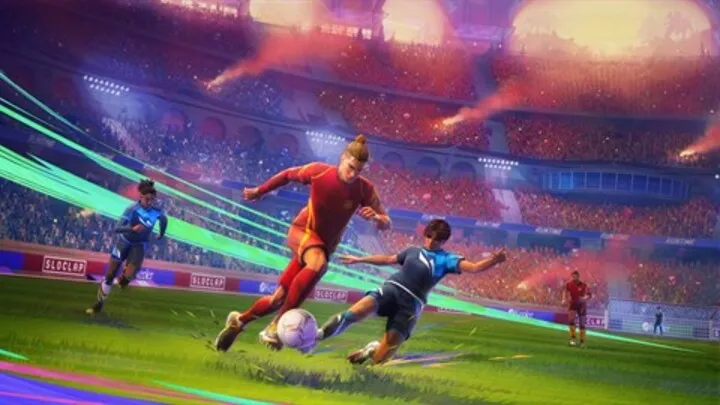
The rival’s design intentionally mirrors the protagonist. From a distance, they move alike, hesitate alike, and sometimes even mimic attacks before you perform them. This eerie symmetry builds the sense that the rival might not be an “other,” but a projection — a reflection of guilt, regret, or pride.
The Voice of Conflict
Dialogues between rounds evolve subtly, becoming more introspective. Instead of boasting, the rival begins asking existential questions — “Why are we doing this again?” “What did we forget last time?” It turns combat into conversation, rage into reflection.
Environmental Symbolism
Rematch uses its environments not just as backdrops but as emotional symbols. Each stage represents a phase of the rivalry and the mind of the player.
Shifting Landscapes
Fights begin in clear fields, then transition to foggy ruins or desolate spaces. The colors fade as the story progresses, suggesting emotional exhaustion. The environment becomes less about space and more about psychological state.
The Role of Sound
Audio design reinforces this symbolism. Early rounds feature rhythmic combat sounds and upbeat tension; later, echoing silences and distorted reverb dominate. The game teaches the player to listen as much as to fight.
Temporal Illusion and Player Agency
The perception of time in Rematch is another core element — players believe they’re looping, but small clues suggest otherwise.
Nonlinear Storytelling
Rematch employs fragmented chronology. Each encounter reveals a slightly different timeline fragment, forcing players to assemble the story emotionally rather than chronologically.
The Player’s Responsibility
By controlling the pace of rematches, players indirectly shape the narrative. Ending a fight early, surrendering, or choosing aggression changes dialogue outcomes — not as branching paths but emotional resonances.
Emotional Fatigue and Catharsis
After hours of rematches, fatigue sets in. But unlike physical fatigue, it’s emotional — the exhaustion of confronting the same loss or unresolved feeling repeatedly.
The Slow Burn of Repetition
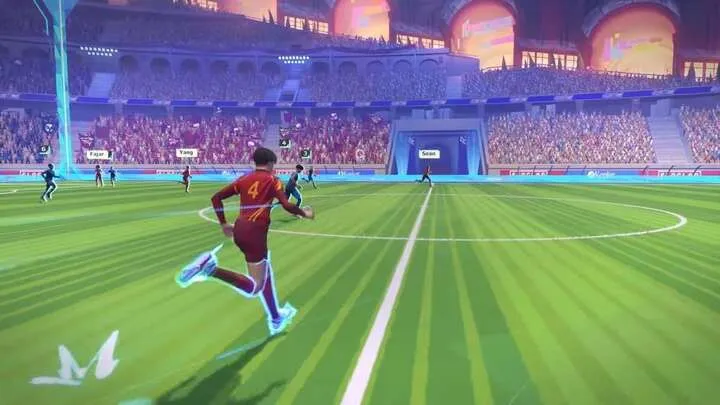
The repetition is never meaningless. It builds pressure, forcing the player to internalize what’s at stake. Even minor victories feel heavy, as if they carry memory rather than triumph.
The Moment of Catharsis
When the final duel arrives, the rival no longer fights — they wait. The game rewards patience, reflection, and the willingness to stop. Catharsis in Rematch comes not from winning, but from understanding.
The Philosophy of Closure
Rematch’s brilliance lies in transforming a mechanical loop into a philosophical one.
Closure vs. Completion
Where most games define completion as an endpoint, Rematch defines it as acceptance. There’s no real ending — only the player’s personal decision to stop seeking a rematch.
The Message Beneath the Mechanics
It subtly reminds players that obsession, whether with victory or redemption, can be endless. True closure doesn’t come from repetition, but release.
Legacy and Player Interpretation
Rematch has become a quiet cult favorite because of its emotional resonance. Each player leaves with a different interpretation of what the rematches meant.
The Collective Experience
Online communities share theories: that the rival is a lost friend, a memory, or even the player’s own subconscious. The open narrative design invites these interpretations, making the game a shared emotional experience.
The Legacy of Reflection
Few games manage to blur the line between competition and contemplation so effectively. Rematch joins titles like Journey and Celeste in transforming gameplay into emotional storytelling.
Conclusion: The Infinite Return
Rematch doesn’t end; it fades. Its message lingers long after the last duel: sometimes, our fiercest battles aren’t with others but within ourselves. The loop of rivalry, the ache of repetition, and the fragile hope of closure — these define not only the game but the human experience it mirrors.
Rematch isn’t about victory. It’s about the courage to stop fighting, to accept imperfection, and to step away from the loop. In a world obsessed with winning, that is its quietest, most powerful message.