Zoonomaly: Ultimate Tips & Strategy Guide

Introduction
Zoonomaly is a gripping survival horror-puzzle game that throws players into an abandoned research facility where genetic experiments on animals have gone horribly wrong. Blending stealth, exploration, crafting, and psychological tension, Zoonomaly challenges you to outthink and outlast a range of mutated creatures while uncovering the dark secrets behind the facility’s collapse. Whether you’re a first-time player stepping into the eerie laboratories or a veteran of survival horror looking to master every mechanic, this guide will equip you with advanced strategies and insider tips to survive—and even thrive—in this hostile environment.
From understanding creature behavior to perfecting your resource management, we’ll explore every element of Zoonomaly’s gameplay. By the end of this guide, you’ll be prepared to face any anomaly lurking in the shadows.
1. Understanding the World of Zoonomaly

The Setting and Atmosphere
- The research facility spans multiple interconnected biomes: laboratories, maintenance tunnels, hydroponic gardens, and cryogenic chambers. Each zone introduces unique hazards, environmental puzzles, and creature types.
- Environmental storytelling plays a major role. Graffiti, abandoned notes, and blood trails provide subtle hints about dangers ahead or hidden resources.
- Lighting and sound design are central to the game’s tension. Flickering lights may conceal enemies, and distant roars can give away predator locations if you’re paying attention.
Environmental Hazards
- Broken glass, sparking wires, and chemical spills can injure you or reveal your position to anomalies. Move carefully and always watch your step.
- Some areas feature dynamic weather or temperature changes (like freezing cryo-sectors). Staying too long without proper gear can sap your stamina or health.
2. Preparing for Your First Escape Attempt
Gather Essential Supplies Early
- Your starting equipment includes a weak flashlight, a single-use medkit, and a low-capacity energy cell. Don’t waste these—search storage lockers and office desks for backup batteries and bandages.
- Map fragments are scattered across the facility. Collecting them reveals key rooms like security hubs and supply closets.
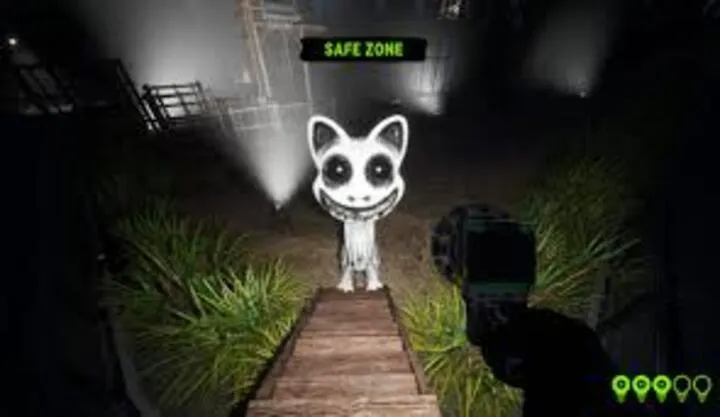
Establish Safe Zones
- Before venturing too far, identify a small, defensible room as a temporary base. Look for areas with only one or two entrances and minimal noise.
- Use lockers or overturned furniture to create makeshift barricades in case you need a fallback point during a chase.
3. Navigating the Facility and Avoiding Anomalies
Movement and Stealth Techniques
- Crouch walking reduces noise but drains stamina more slowly than sprinting. Use it when anomalies are near.
- Pay attention to floor surfaces: metal grates echo loudly, while carpeted areas dampen your footsteps.
- Avoid running blindly. Sprinting attracts enemies from farther away and leaves you vulnerable when your stamina bar depletes.
Recognizing Creature Patterns
- Mutated wolves patrol predictable routes. Learn their timings and slip by when their backs are turned.
- Hybrid gorilla-raptors react to light sources—turning off your flashlight at the right moment can save you.
- Some anomalies, like the “Screamers,” are triggered by sound alone. Throw a small object to lure them away from your path.
4. Crafting, Tools, and Resource Management
Crafting Basics
- Combine scrap metal and wires to create simple tools such as lockpicks or EMP grenades.
- Rare materials like bio-gel and crystalline shards are required for high-level crafting—don’t waste them on early-game items.
Managing Limited Resources
- Food and water are scarce. Ration your supplies and prioritize areas known for storage rooms or abandoned cafeterias.
- Use rechargeable batteries wisely. Save your flashlight for pitch-black corridors and rely on ambient light when possible.
5. Solving Environmental Puzzles

Observation is Key
- Many puzzles integrate environmental clues. A flickering monitor might reveal the correct keypad code, or a blood-stained diagram could indicate a safe path through traps.
- Take photos or mental notes of symbols or patterns—you’ll often need them later.
Multi-Step Challenges
- Some puzzles require activating switches in different parts of the map under time pressure. Plan your route beforehand to avoid being cornered mid-task.
- Cooperate in multiplayer (if available) to divide puzzle-solving tasks for efficiency.
6. Combat and Defensive Strategies
Choosing When to Fight
- Direct combat is dangerous. Many anomalies are too strong to defeat outright. Use distraction, stealth, or environmental hazards (like releasing steam valves) to neutralize threats.
- When forced to fight, use crafted weapons strategically. EMP grenades can disable robotic enemies, while bio-acid vials can corrode armor plating on tougher foes.
Defensive Tools and Tactics
- Build simple noise traps using cans and wires to warn you of approaching creatures.
- Barricades slow enemies but are not foolproof—always have an escape route.
7. Stamina, Health, and Sanity Management
Maintaining Physical Health
- Avoid unnecessary falls or exposure to toxins. Injuries reduce your movement speed and make you more detectable.
- Keep medkits for emergencies. Bandages can stop bleeding, but only medkits restore full health.
Preserving Sanity
- Sanity mechanics influence perception. Low sanity can cause visual distortions or phantom sounds that mislead you.
- Stay in well-lit areas or play audio logs of calming voices to restore your mental state.
- Rest periodically in safe zones—exhaustion increases panic effects.
8. Exploration and Hidden Lore
Thorough Searching Pays Off
- Every room could hide critical resources or story fragments. Check behind desks, inside lockers, and under debris.
- Secret areas often contain high-level crafting components or documents revealing the origins of the anomalies.
Collectibles and Narrative Depth
- Audio logs and diary pages flesh out the facility’s backstory, providing context for the mutated creatures and their creators.
- Piecing together lore not only enriches the experience but may reveal hints for later puzzles or boss encounters.
9. Multiplayer and Co-op Tactics
Team Coordination
- Assign roles before starting: one player scouts ahead, another carries heavy items, and a third monitors the map or provides backup.
- Use voice communication to warn teammates of anomalies or environmental hazards.
Shared Resources
- Share medkits and batteries to keep the team balanced. Hoarding can doom the group if a critical member runs out mid-chase.
- Two players can distract a large anomaly while others complete a puzzle or search an area.
10. Preparing for Endgame and Future Updates
The Final Escape
- As you near the final sections, anomalies become more aggressive and resources scarcer. Upgrade your crafted tools to their highest tier.
- Plan multiple escape routes. Environmental changes or damaged corridors can block your primary path.
Staying Ahead of Updates
- Follow developer announcements and community forums for upcoming features or balance changes.
- Future updates may add new anomalies, puzzles, or biomes—your mastery of core mechanics will prepare you for whatever horrors await.
Conclusion
Zoonomaly delivers a tense, atmospheric survival horror experience where observation, patience, and planning are your strongest weapons. Understanding the facility’s layout, mastering stealth, and managing scarce resources are all crucial for survival. Combat should be a last resort—creativity and caution often save more lives than brute force. Whether you’re braving the corridors alone or coordinating with friends in co-op mode, every decision matters. By following these tips and refining your skills, you’ll uncover the secrets of Zoonomaly’s twisted experiments and emerge victorious against the horrors that stalk its halls.